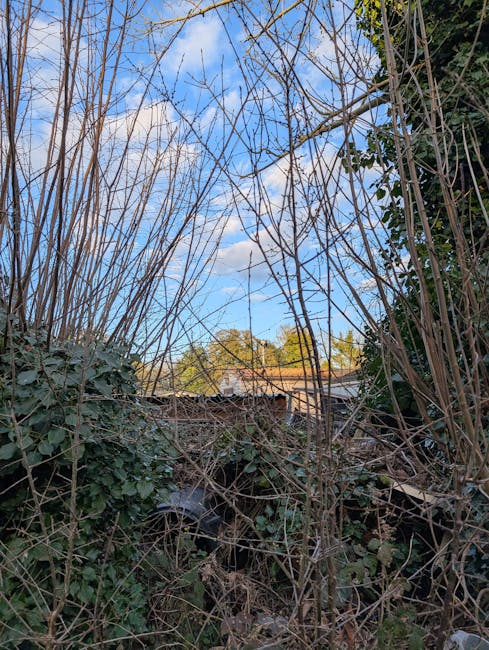
Whalebone Lane garden clearance experts in Chadwell Heath
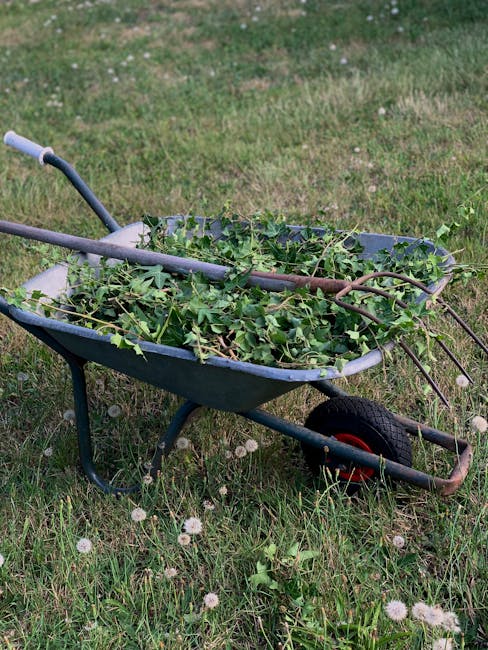
If your garden has slipped from "a bit untidy" into full-blown chaos, you are not alone. Overgrown borders, piles of cuttings, invasive weeds, awkward corners, and a lawn that has vanished under leaves can build up fast-especially when life gets busy. The good news is that Whalebone Lane garden clearance experts in Chadwell Heath can turn that mess into a clear, usable space again without you spending your weekend battling brambles and black sacks. In a neighbourhood like Whalebone Lane, where gardens can be compact, tucked away, or simply neglected for a while, a proper clearance is often the quickest way to reset everything and make the space feel manageable again.
This guide explains what garden clearance involves, how it typically works, what to look out for, and how to decide whether it is the right move for your garden. You will also find practical tips on safety, compliance, and keeping the space in better shape afterwards. Let's face it, sometimes the hardest part is just getting started.
Why Whalebone Lane garden clearance experts in Chadwell Heath Matters
Garden clearance is not just a tidy-up. It is a practical reset that affects how your outdoor space functions, how safe it feels, and how much effort you need to keep it under control afterwards. In Whalebone Lane, gardens often have a mix of hard surfaces, narrow side access, established planting, and the occasional stubborn patch of self-seeded growth. That combination can make a "quick tidy" turn into a long, muddy day before you know it.
Working with local clearance specialists matters because they understand the realities of local gardens: limited access, neighbour considerations, mature hedges, shaded spots that encourage moss or ivy, and the sort of seasonal build-up that can make a small job feel much bigger. A skilled team does more than remove waste. They assess what should be cut back, what needs careful removal, and what can be retained so your garden does not lose its structure.
There is also the simple matter of momentum. Once a garden gets overgrown, people often stop using it. Chairs gather dust, children stop playing outside, and even a cup of tea on the patio feels like a chore. A proper clearance breaks that cycle. It gives you a blanker canvas, but still with enough thought behind it that the garden can be shaped into something useful again.
For many households, this is also the first step before bigger changes such as regular garden maintenance, turf repair, hedge reshaping, or even a wider rework with planting and layout improvements. If your space has become difficult to manage, clearing it now often saves time, money, and stress later.
How Whalebone Lane garden clearance experts in Chadwell Heath Works
Most garden clearance jobs follow a fairly simple flow, though the exact approach depends on the condition of the garden and what needs removing. A good team will usually start by looking at access, volume, waste type, and any delicate features that should be protected. It sounds obvious, but a lot can go wrong when someone starts cutting before they have really looked.
Here is the usual sequence.
- Initial assessment: The team checks the size of the garden, access points, waste volume, and whether there are hazards such as broken fencing, hidden debris, or unstable branches.
- Clear plan: They decide what is being removed, what is being cut back, and what must stay in place. This is particularly important where shrubs, climbers, or boundary planting need selective handling.
- Manual clearance: The job may include removing weeds, brambles, leaves, cuttings, fallen branches, old pots, broken furniture, and other unwanted material.
- Cutting and shaping: Overgrown edges, hedges, and dense growth are reduced where needed. If you need hedge work as part of the job, it can be sensible to pair it with hedge trimming in Chadwell Heath.
- Waste sorting and removal: Green waste, mixed waste, and reusable materials are separated where possible. This keeps the finish cleaner and can help with responsible disposal.
- Final sweep and handover: The team leaves the space clear, accessible, and ready for whatever comes next-maintenance, planting, or a more ambitious redesign.
A proper clearance should not feel rushed. The best work looks simple at the end because the decision-making happened early on. That is the bit you pay for, really.
If you are unsure where to start, a conversation with the team through the contact page is usually the easiest first step. A short description and a few photos can make the next stage much clearer.
Key Benefits and Practical Advantages
The most obvious benefit is that your garden looks better. But the real value runs deeper than appearance. A good clearance reduces pressure on you, improves access, and makes future care much more realistic.
- Safety improves: Clearing loose branches, slippery leaf build-up, and hidden clutter reduces trip hazards and makes outdoor areas easier to use.
- Plants get breathing room: Overcrowding can choke smaller shrubs, reduce light, and encourage pests or mildew.
- Drainage and visibility improve: Thick layers of organic debris can hide problem spots and make it harder to spot standing water, broken paving, or damaged edges.
- Maintenance becomes easier: Once the worst of the growth is gone, mowing, pruning, and border care take much less effort.
- Planning becomes possible: You can actually see the bones of the garden again. That matters if you want seating, planting, play space, or a neater layout.
There is also a subtle benefit people do not always mention: mental relief. A messy garden can quietly nag at you every time you look out of the window. After clearance, the space feels calmer. Not perfect, not finished perhaps, but calmer. And that changes how you use it.
For households focused on lower-maintenance outdoor spaces, clearance can be paired with practical next steps such as lawn care or lawn mowing, especially if the garden has been left to run wild for a while. That way, the improvement lasts longer than a single sunny afternoon.
Who This Is For and When It Makes Sense
Garden clearance is not only for neglected gardens. It is useful in all kinds of situations, and sometimes the need is practical rather than dramatic.
You may need it if:
- the garden has become overgrown after winter or a long period of neglect
- you are preparing a property for sale or letting
- you have just moved into a home with an unusable outdoor area
- you need to clear space before landscaping or fencing work
- weeds, ivy, or self-seeded growth are taking over boundaries
- fallen branches, clutter, or old garden waste are making the area difficult to use
In our experience, one of the most common moments is the "we should have done this months ago" moment. You know the one. You open the back door, look at the state of the garden, and close it again. That is usually the sign.
It is also worth thinking seasonally. After heavy rain or windy weather, debris can pile up fast, and shaded gardens can become dense and slippery. If your space is prone to exposure, you may also find the advice in this guide to windy gardens useful as a follow-up read.
Step-by-Step Guidance
Here is a straightforward way to approach a clearance project without making it harder than it needs to be.
- Walk the garden first. Check what is overgrown, what is dead, what is damaged, and what should be left alone. If you spot anything like nesting wildlife, take extra care and pause work where necessary.
- Separate the job into zones. Front, side return, patio, borders, lawn, shed area-whatever applies. Breaking the space into sections keeps the work manageable.
- Remove obvious waste first. Old pots, broken tools, loose bags, plastic, and rubble should come out before the finer cutting starts. It clears headspace too, oddly enough.
- Cut back bulky growth. Start with the most dominant problem areas: brambles, long grass, hedges, climbers, or self-seeded saplings.
- Deal with weeds and roots. Surface weeds are one thing; deeply rooted invasive growth is another. That is where experience matters.
- Rake and bag the debris. Removing cuttings as you go helps you see what still needs attention and prevents the garden from looking half-finished.
- Inspect the hard surfaces. Once the clutter is gone, you can properly see patios, paths, and decking. Sometimes the garden looks cleaner instantly just because the paving is visible again.
- Plan the next stage. Decide whether the garden needs seeding, soil improvement, planting, edging, or ongoing care.
For many people, the smartest move after clearance is to avoid another "one big tidy every year" cycle and instead switch to manageable routine care. If that sounds more realistic, the broader gardening services offering may be a better fit than a one-off approach alone.
Expert Tips for Better Results
Good clearance is partly about effort, but mostly about judgement. A few small decisions can make the difference between a garden that simply looks emptied and one that feels genuinely improved.
- Keep structure where possible. Do not strip everything bare unless that is truly the goal. A bit of shape helps the garden recover.
- Work from the top down. It sounds basic, but cutting tall growth first stops you from trampling areas you have already cleared.
- Protect healthy plants. Border plants, climbers, and shrubs can easily be damaged during hurried clearance. Mark them before work begins if needed.
- Choose the right follow-up planting. If you want the garden to look good without constant effort, think about ground cover, container planting, or low-maintenance shrubs. Some useful ideas are in the article on UK ground cover plants.
- Be realistic about repeat growth. Ivy, bindweed, and thick weeds often return if roots are left behind. That is not failure; it is just biology being annoying.
- Pair clearance with one improvement. For example, add a seating area, fresh mulch, or a cleaned patio. One positive change gives the whole job a finish.
If you want the space to become more usable rather than just tidier, think about planting or layout before the debris is even gone. That way, the final result feels intentional, not accidental. A tiny detail, but it matters.
Common Mistakes to Avoid
People often assume garden clearance is straightforward. In a sense, it is. But there are a few very common mistakes that make the job slower, messier, or more expensive than it should be.
- Starting without a plan: This usually leads to duplicated work and a bigger mess before progress appears.
- Cutting everything at once: Overzealous pruning can remove healthy growth and leave the garden looking harsh.
- Ignoring access issues: Narrow side paths, locked gates, or awkward waste removal routes can turn a simple job into a headache.
- Underestimating waste volume: A few bushes can produce a surprising amount of green waste. Really surprising.
- Leaving roots and runners behind: Some plants come back quickly if you do not deal with what is underground.
- Forgetting the aftercare: A cleared garden still needs attention, otherwise weeds and new growth will return before long.
Another mistake is to treat clearance as the end of the story. It is more like chapter one. A cleared garden without follow-up can slide back almost as quickly as it was transformed, especially in the warmer months.
Tools, Resources and Recommendations
The right equipment makes clearance faster, safer, and less tiring. Professionals usually bring a range of tools because no one tool handles everything well. That is just the truth of it.
| Tool or resource | Best for | Why it helps |
|---|---|---|
| Secateurs and loppers | Small branches, stems, and controlled pruning | Gives cleaner cuts and reduces damage to healthy growth |
| Hedge trimmers | Shaping and reducing dense hedge growth | Saves time when hedges have become unruly |
| Rakes and leaf collectors | Leaves, twigs, and loose debris | Helps reveal hidden problems and keeps the site tidy as you go |
| Heavy-duty bags and waste containers | Mixed garden waste | Prevents re-handling and keeps waste separation simpler |
| Protective gloves and eye protection | Thorns, scratchy stems, dust, and flying debris | Basic safety, but worth every penny |
If you are doing small follow-up jobs yourself, it also helps to keep your garden knowledge topped up. The site has useful reads on weed control, water conservation in lawn care, and essential gardening tools. Those smaller decisions add up.
For broader garden recovery, the advice in restoring an abandoned garden is particularly relevant if the space has been left alone for a long time. That kind of article can help you think beyond the immediate mess.
Law, Compliance, Standards, or Best Practice
Garden clearance is not the same as a regulated trade like gas work or electrical installation, but it still comes with sensible standards and responsibilities. A professional approach should always reflect safe handling, care for neighbours, and proper waste management.
In the UK, garden waste and mixed household waste should be handled responsibly, and any contractor should be clear about where waste goes and how it is disposed of. If waste is being carried away, you should expect a tidy handover and a sensible explanation of the disposal process. You do not need a lecture, just clarity.
Health and safety also matters. Heavy lifting, sharp tools, hidden glass, unstable branches, and slippery surfaces are all common issues in overgrown gardens. That is why it helps if the team works in line with a proper health and safety policy and has suitable insurance and safety practices in place.
Best practice usually includes:
- clear communication before work begins
- care around plants, boundaries, and hard landscaping
- safe handling of tools and waste
- respect for access, neighbours, and shared spaces
- transparent terms around what is included
If you are comparing providers, it is reasonable to ask about pricing and quotes, terms and conditions, and payment and security. Those details are boring right until they are not.
Trust is built in the dull parts, honestly.
Options, Methods, or Comparison Table
Not every garden needs the same type of clearance. Some spaces need a light reset. Others need a full intervention. Here is a practical comparison.
| Approach | Best for | Pros | Watch out for |
|---|---|---|---|
| Light clearance | Mostly tidy gardens with seasonal build-up | Quick, affordable, minimal disruption | May not address deeper weed or root issues |
| Medium clearance | Gardens with overgrown borders, lawns, and hedges | Restores usability and improves layout | Needs proper waste planning and stronger cutting tools |
| Full clearance | Severely neglected or inherited gardens | Creates a blank slate for redesign or recovery | Can expose hidden problems like damaged fencing or poor soil |
| Clearance plus maintenance | Anyone who wants lasting results | Prevents fast regrowth and keeps things manageable | Requires ongoing scheduling, but pays off over time |
For some homes, the smartest route is to combine clearance with longer-term upkeep such as garden maintenance and, where the grass is a main issue, lawn care. That keeps the garden from sliding backwards after the first burst of effort.
Case Study or Real-World Example
A typical Whalebone Lane garden might start with a familiar story: a narrow side return full of leaves, a back lawn half-hidden by tall grass, an ivy-run fence, and borders so crowded that the original planting is barely visible. The homeowner wants it usable again, but does not want to rip everything out. Fair enough.
In a situation like that, the first job is not dramatic redesign. It is selective recovery. The team clears the access route first so waste can move safely. Then they remove dead growth, cut back the worst of the overhang, and reveal the boundaries. Once the space opens up, the real decisions become visible: which shrubs still have shape, where the light falls, and which areas need rescue rather than replacement.
After the clearance, a simple improvement often makes the biggest difference. Maybe the patio is pressure-cleaned, maybe the lawn is re-cut, maybe one border is left in place but tidied up and planted more lightly. The whole garden feels less heavy. The owner can walk through it again without side-stepping every few metres.
That is the sort of transformation people tend to remember. Not because it is flashy. Because it makes the space usable again on a normal Tuesday evening, which is when it really counts.
Practical Checklist
Use this checklist before booking or starting a garden clearance.
- Identify the main problems: weeds, brambles, leaves, waste, hedges, or clutter
- Check access routes for gates, side passages, and parking constraints
- Decide what must be preserved, such as shrubs, climbers, or boundary planting
- Take photos of the garden from a few angles
- Ask how waste will be removed and handled
- Confirm whether hedge work, lawn care, or patio cleaning should be included
- Review timing, weather sensitivity, and any neighbour considerations
- Plan what comes after clearance: maintenance, planting, or redesign
- Keep pets and children away from the work area during clearance
- Follow up with a simple maintenance plan so the result lasts
If your space also needs extra finishing touches, a service like patio cleaning, decking services, landscaping, or even fencing can be the natural next step. Not every garden needs all of that, of course. But sometimes a cleared garden is simply the starting point for the better version you had in mind.
Get a free quote today and see how much you can save.
Conclusion
When a garden has become overgrown, cluttered, or simply too much to handle, the right clearance service can give you a clean slate without the stress of doing it all yourself. For homeowners and landlords along Whalebone Lane, that matters because outdoor space is limited and every square metre needs to work hard. A proper clearance helps you reclaim the garden, spot hidden issues, and plan the next stage with confidence.
If you approach it carefully, garden clearance is not just about removing waste. It is about making the space usable, safer, and easier to enjoy again. That is the real value. And once the light starts reaching the ground properly again, the garden often feels different straight away. A bit fresher. A bit lighter. Better, somehow.
For more background on the team behind the work, you can also read about the company. And when you are ready to talk through your own garden, the next step is simple.
Frequently Asked Questions
What does a garden clearance usually include?
It usually includes removing overgrowth, weeds, brambles, leaves, fallen branches, and general garden waste. Depending on the job, it may also include hedge cutting, border clearing, and a basic tidy of paths or patios.
How is garden clearance different from regular maintenance?
Clearance is usually a bigger reset job for neglected or cluttered gardens. Maintenance is the ongoing care that keeps the space neat afterwards. Think of clearance as the clean start, maintenance as the habit that stops the mess returning.
Can you clear a garden that has been ignored for years?
Yes, though heavily neglected gardens often need a staged approach. Very overgrown spaces can hide damaged fencing, broken paving, poor drainage, or invasive growth, so the first visit may focus on recovery rather than perfection.
Do I need to be at home during the clearance?
It depends on access and how much needs discussing beforehand. Many people prefer to be present at the start so they can point out what should stay and what should go. After that, the work can often continue with minimal interruption.
What should I do before the team arrives?
Clear access as much as possible, secure pets, remove fragile items, and note any plants or features you want protected. A few photos beforehand can also help if the garden is very overgrown.
Is garden waste taken away?
In most clearance jobs, waste removal is part of the service or is arranged as part of the quote. It is sensible to confirm this in advance so you know what is included and what is not.
Can garden clearance help with invasive plants like ivy or brambles?
Yes, but invasive growth often needs more than a surface cut. Ivy, brambles, and similar plants can return if roots or runners are left behind, so proper removal and follow-up care are important.
How long does a clearance take?
It depends on the size of the garden, the amount of waste, and the type of growth involved. A small seasonal tidy may take far less time than a full clearance of a neglected garden. There is no one-size-fits-all answer, honestly.
Will clearance damage my existing plants?
A careful team should work around plants you want to keep. The key is to identify them clearly before work begins. If you are unsure what to retain, it helps to point out anything valuable or sentimental at the start.
What happens after the garden is cleared?
That is where the improvement becomes lasting. You might move into mowing, planting, border repair, weed control, or a simple maintenance routine. Without follow-up, the garden can slide backwards fairly quickly.
Is garden clearance suitable before selling a property?
Very much so. A cleared garden can make a property look better cared for and easier to assess. Buyers often notice outdoor space quickly, even if they do not say much about it.
How do I get a quote for garden clearance in Chadwell Heath?
The simplest route is to share a description of the garden and a few photos through the contact page. That gives enough context for a more accurate discussion about the work needed.