Health and Safety Policy for Gardeners Chadwell Heath
Gardening services in Chadwell Heath should always be carried out with a clear commitment to health and safety. 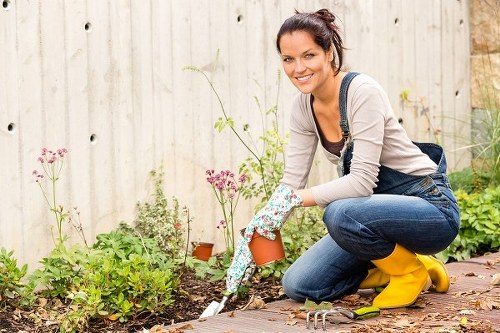 A well-written policy helps protect gardeners, clients, visitors, and anyone else who may be affected by outdoor maintenance work. It also supports consistent standards across everyday tasks such as mowing, pruning, hedge cutting, planting, weeding, clearing debris, and using powered equipment. The aim of this policy is to reduce risk, promote safe working habits, and ensure that all gardening activities are completed responsibly.
Our approach is based on careful planning, risk awareness, and professional conduct. Every Chadwell Heath gardening team member is expected to work in a way that minimises harm and respects the conditions of each site. Gardens can present changing hazards, including uneven ground, slippery surfaces, sharp tools, moving machinery, insects, weather exposure, and manual handling strain. Because of this, health and safety is not treated as an optional extra but as a core part of service delivery.
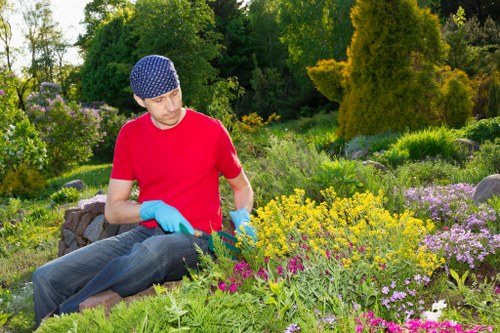 Before any work begins, a basic risk assessment should be considered. This involves identifying hazards, deciding who may be affected, and putting suitable controls in place. A gardener working in Chadwell Heath may encounter wet paving, hidden trip risks, overgrown areas, or fragile surfaces, so each job must be assessed individually. Safety measures may include keeping access routes clear, using the correct protective equipment, checking tools before use, and pausing work when conditions become unsafe.
Safe Working Practices
All personnel should receive appropriate instruction for the tasks they perform. A garden maintenance safety policy should cover correct handling of hand tools, lawn equipment, ladders, pressure sprayers, and other machinery. It should also explain safe lifting techniques, good posture, and the importance of taking breaks to avoid fatigue. Gardeners must remain alert and avoid rushing, especially when working near residents, pets, vehicles, or public walkways.
Personal protective equipment is essential in many gardening activities. Depending on the task, this may include gloves, safety footwear, eye protection, hearing protection, high-visibility clothing, and protective trousers. Equipment must be worn correctly and kept in good condition. Where power tools are used, operators should follow manufacturer instructions, ensure guards are in place, and never bypass safety features. Children and unauthorised individuals should be kept away from active work areas.
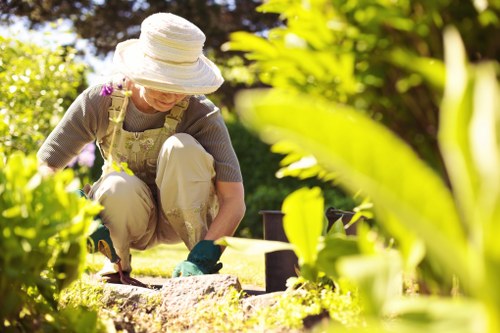 Hazardous substances, including fuels, fertilisers, weed treatments, and cleaning products, must be handled with care. Containers should be stored securely, labelled properly, and used only in accordance with instructions. If a substance poses a risk through inhalation, skin contact, or accidental splash, additional controls must be used. Waste material should also be managed responsibly, with cuttings, broken branches, and sharp debris removed promptly to prevent injury and maintain a tidy working area.
Equipment, Environment, and Emergency Response
Equipment safety is a major part of any health and safety policy for gardeners. Tools and machinery must be inspected before use, maintained regularly, and taken out of service if defects are found. Blades should be sharpened and secured correctly, cables should be intact, and fuel-powered machines should be refilled only in suitable conditions. Gardeners must be trained to recognise signs of wear, instability, or malfunction and report issues immediately.
Weather and environmental conditions can create extra risk. Heat, cold, wind, rain, and poor visibility may all affect safe working. A Chadwell Heath garden services team should adapt work methods to suit the conditions, for example by delaying tasks during storms, using sun protection in hot weather, or spreading physical work throughout the day to prevent overexertion. Adequate hydration, regular rest, and suitable clothing should be part of normal practice.
Emergency procedures must be clear and practical. If an accident, near miss, or sudden illness occurs, work should stop immediately and the appropriate response should begin. Minor injuries should be treated promptly using a stocked first aid kit, while serious incidents require urgent escalation. Staff should know how to summon help, isolate hazards, and preserve the scene where necessary. Recording incidents helps identify patterns and improve future safety measures.
Responsibilities and Ongoing Review
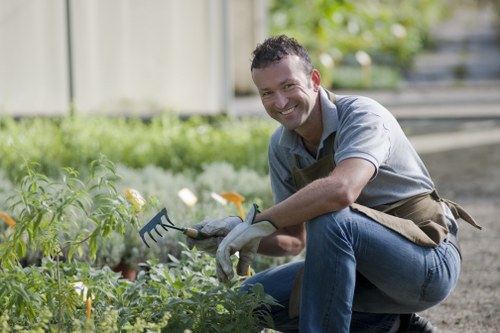 Every member of a professional garden care service has responsibility for safe behaviour. Supervisors should ensure that instructions are understood, tasks are allocated appropriately, and unsafe practices are corrected. Workers must cooperate with safety requirements, use equipment properly, and avoid undertaking work beyond their competence. Clients also have a role by informing the team about known hazards, access restrictions, pets, hidden services, or any site-specific concerns before work starts.
Communication and cooperation are essential to maintaining safe operations. Clear handovers, visible instructions, and good site organisation reduce confusion and help tasks run smoothly. When multiple people are working at the same location, everyone should understand the plan for the day, the boundaries of the work area, and any special precautions. This is especially important during tasks involving cutting equipment, waste removal, or work at height.
 This policy should be reviewed regularly to ensure it remains effective, relevant, and in line with current working practices. Changes in equipment, staffing, job types, or environmental conditions may require updated controls. By maintaining high standards and treating safety as a shared responsibility, gardeners in Chadwell Heath can provide reliable, efficient, and professional services while protecting people, property, and the wider environment.